
Cadmium in Fish and Shellfish
What is cadmium?
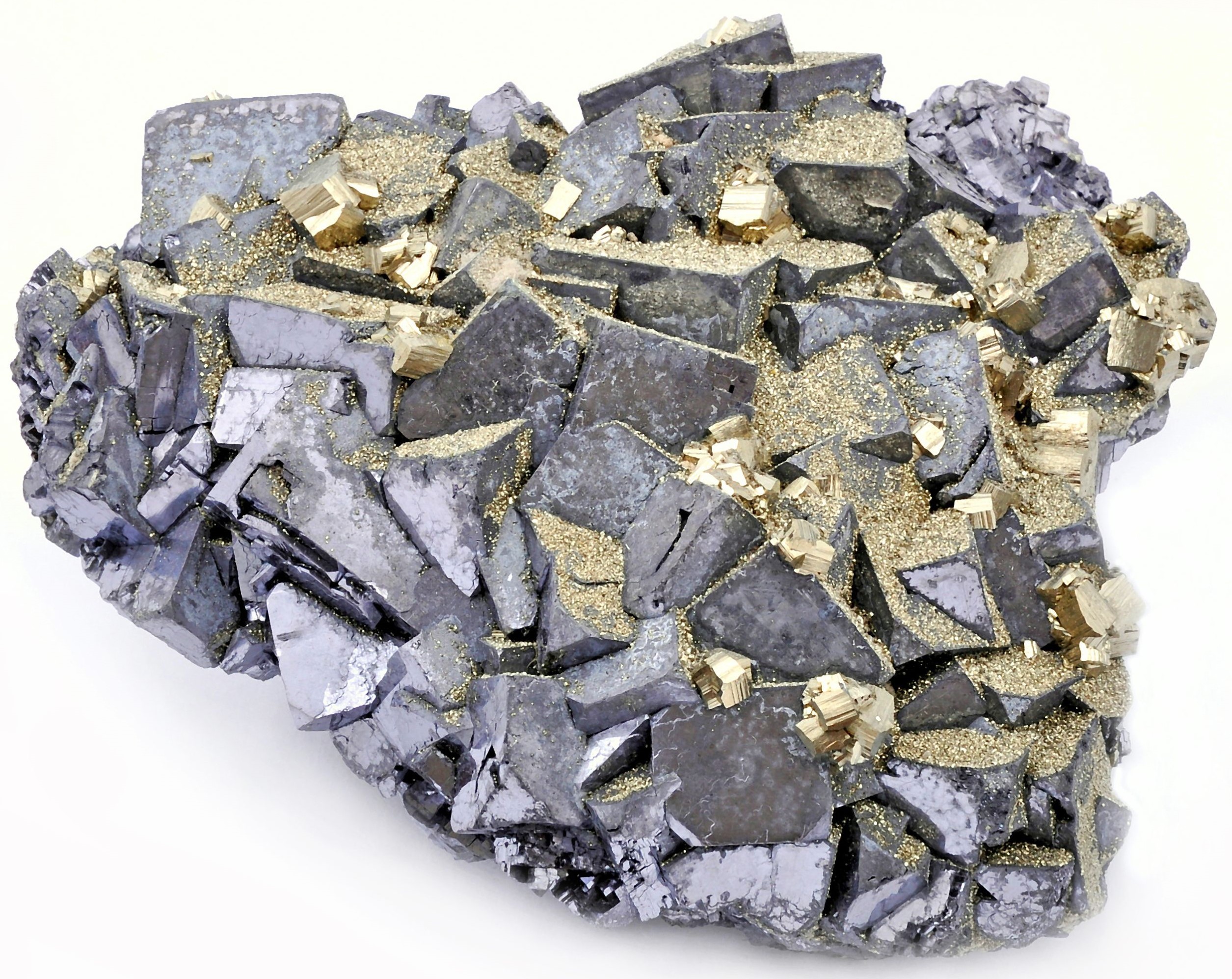
- Cadmium (Cd) is a metal found naturally in soil and water (including oceans and freshwater sources).
- Cadmium can also be released into the environment by burning fossil fuels, refining metal ores, soil erosion, mining, industrial discharges, and wastewater processing.
- Cadmium in the air and soil makes its way into rivers, lakes, and oceans through rain and snow runoff.
How does cadmium get into fish and shellfish?
- Cadmium is commonly found in most aquatic environments: it passes into tiny plants and animals that live in water and into the fish and shellfish that eat them.
- Cadmium builds up in the internal organs of fish and shellfish. Bivalve shellfish often have higher levels than those in fish and crustaceans.
What is the health concern for humans?
- Too much cadmium can:
- harm the fetus because it can collect in the placenta and interfere with the development and function of the placenta during pregnancy.
- damage the kidneys of children and adults.
- Women can pass cadmium on to their babies during breastfeeding.
Should I still eat fish and shellfish?
- Yes! Low-contaminant fish and shellfish are an important part of a healthy, well-balanced diet.
- Fish and shellfish are a good source of protein and vitamins, and are a primary source of heart-healthy omega-3 fatty acids.
- Eating two servings of fish or shellfish per week is good for your health, according to the American Heart Association.
- Eating low-contaminant fish and shellfish during pregnancy is beneficial for your baby’s brain development.
Which fish and shellfish have the most cadmium?
- Bivalve shellfish such as clams, mussels, oysters, and scallops usually have the most cadmium in the “edible” tissues.
- Finfish and crustaceans (for example, crab and lobster) usually have less cadmium with most of it stored in the internal organs or “guts” which can be easily removed.
Can I reduce cadmium levels in fish or shellfish to make eating them safer?
- Finfish and crustaceans (for example, crab and lobster):
Yes. Cadmium accumulates in the internal organs or “guts”. Remove the internal organs before cooking and eat only the skinless fish fillet. For crustaceans, eat only the body or tail meat. - Bivalve shellfish (for example, mussels and clams):
No. Bivalve shellfish are typically consumed whole so there is no simple way to clean or prepare them that will reduce their cadmium levels.
How can I reduce my risk?
- If you catch your own fish and shellfish, follow the Office of Environmental Health Hazard Assessment’s (OEHHA) fish advisories for California water bodies.
- OEHHA has advice specifically for pregnant women. Cadmium may affect the placenta and harm the fetus.
- OEHHA also has advice for non-pregnant women, men 18 years and older, and children 1 – 17 years old.
- Cadmium can stay in your body for a long time. All people should be careful to eat low-cadmium fish and shellfish.
- Eat only the skinless fillet of finfish and only the body or tail meat of crustaceans.
- Do not use the organs or the whole fish or shellfish in soups and stews.
Where can I learn more?
Documents
Fish Advisory Map
View maps of current statewide and site-specific advisories

Fish, Incident Response, Seafood Safety, and Harmful Algal Bloom Section
Sacramento Office
1001 I Street
Sacramento, CA 95814
Phone: (916) 324-7572
Fish@oehha.ca.gov