
Report Shows Climate Change Impacts are Accelerating, Demonstrates Importance of Sustained State Action
For Immediate Release
Contacts:
OEHHA: Amy Gilson, 916-764-0955
What to know: California state scientists have released a new report that shows the impacts of climate change are rapidly accelerating in California. Average temperatures and heat-related deaths are rising, and glaciers in the state’s Trinity Alps have disappeared entirely. The report’s release follows the federal administration’s announced rollbacks of limits on planet-warming emissions from power plants and a summer where August 2026 tied July 2023 as Earth’s hottest month on record.
SACRAMENTO - CalEPA’s Office of Environmental Health Hazard Assessment today released the fifth edition of its Indicators of Climate Change in California Report, documenting wide-ranging impacts that global fossil fuel reliance has had on the state’s weather, water systems, plants and animals, and human health, including among tribes.
As the Trump administration turns its back on science, California is doubling down on climate action, on protecting our communities, and on building a safer future. We are putting the latest science to work so communities across the state have the tools to confront the climate crisis head-on.
-Governor Gavin Newsom
Measurable Climate Change Impacts
Since the last update in 2022, many changes have intensified and some have crossed thresholds that cannot be reversed, such as the disappearance of glaciers from the Trinity Alps. Six new indicators were added to this report, including a new indicator related to agriculture, fruit and nut pest abundance.
The effects of climate change aren’t hypothetical, they are a daily reality that California has been documenting for decades. California is committed to using the best science to understand and take action that protects all Californians from climate change impacts.
-CalEPA Secretary Yana Garcia
Key findings of the report include:
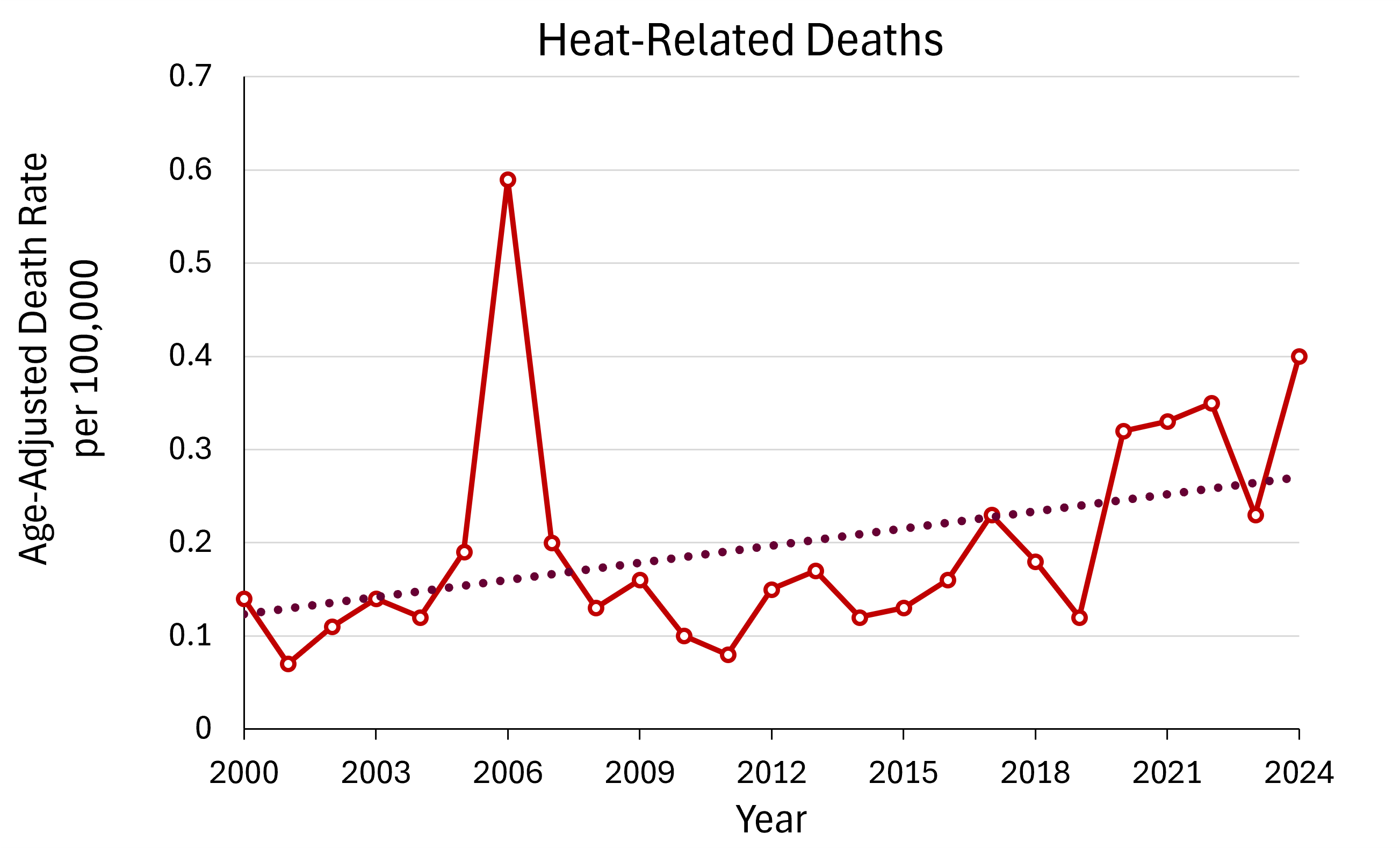
- Average annual heat-related deaths are increasing. This report is the first edition in which we have sufficient data to confirm an upward trend.
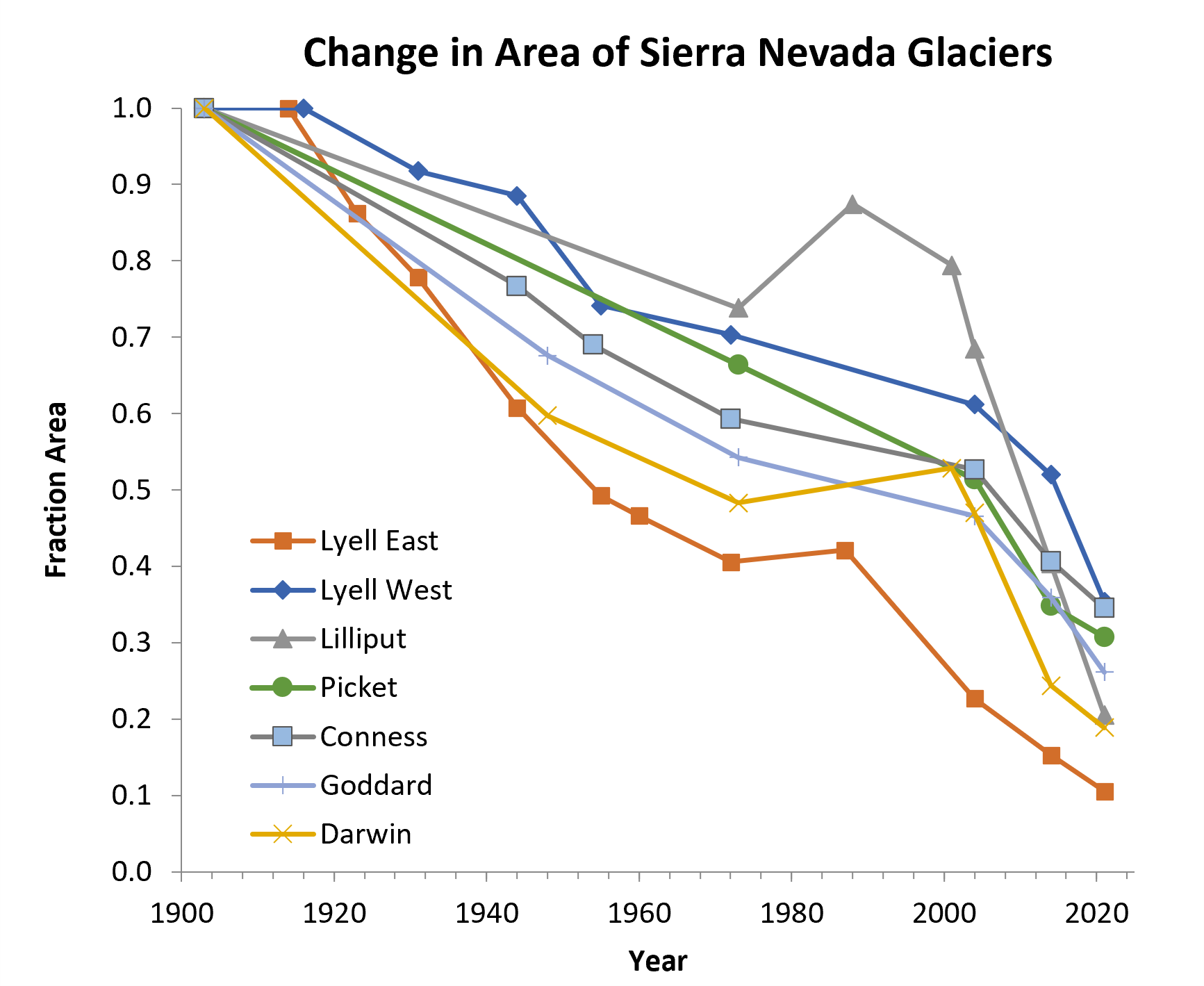
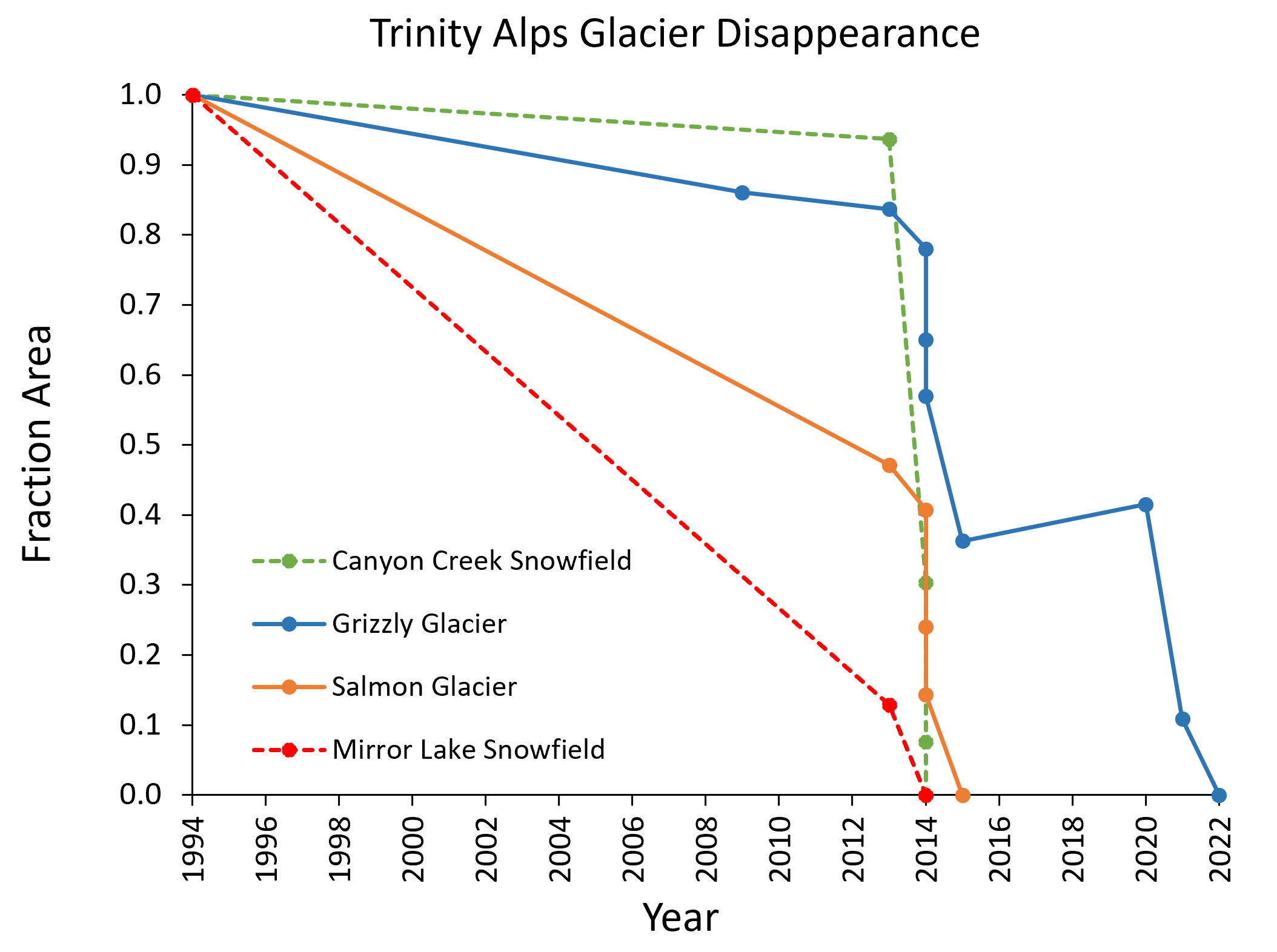
- The Trinity Alps glaciers disappeared by 2023. Since 1903, Sierra Nevada glaciers have lost about 75% of their area, reflecting the sustained warming rather than the effects of any single drought.
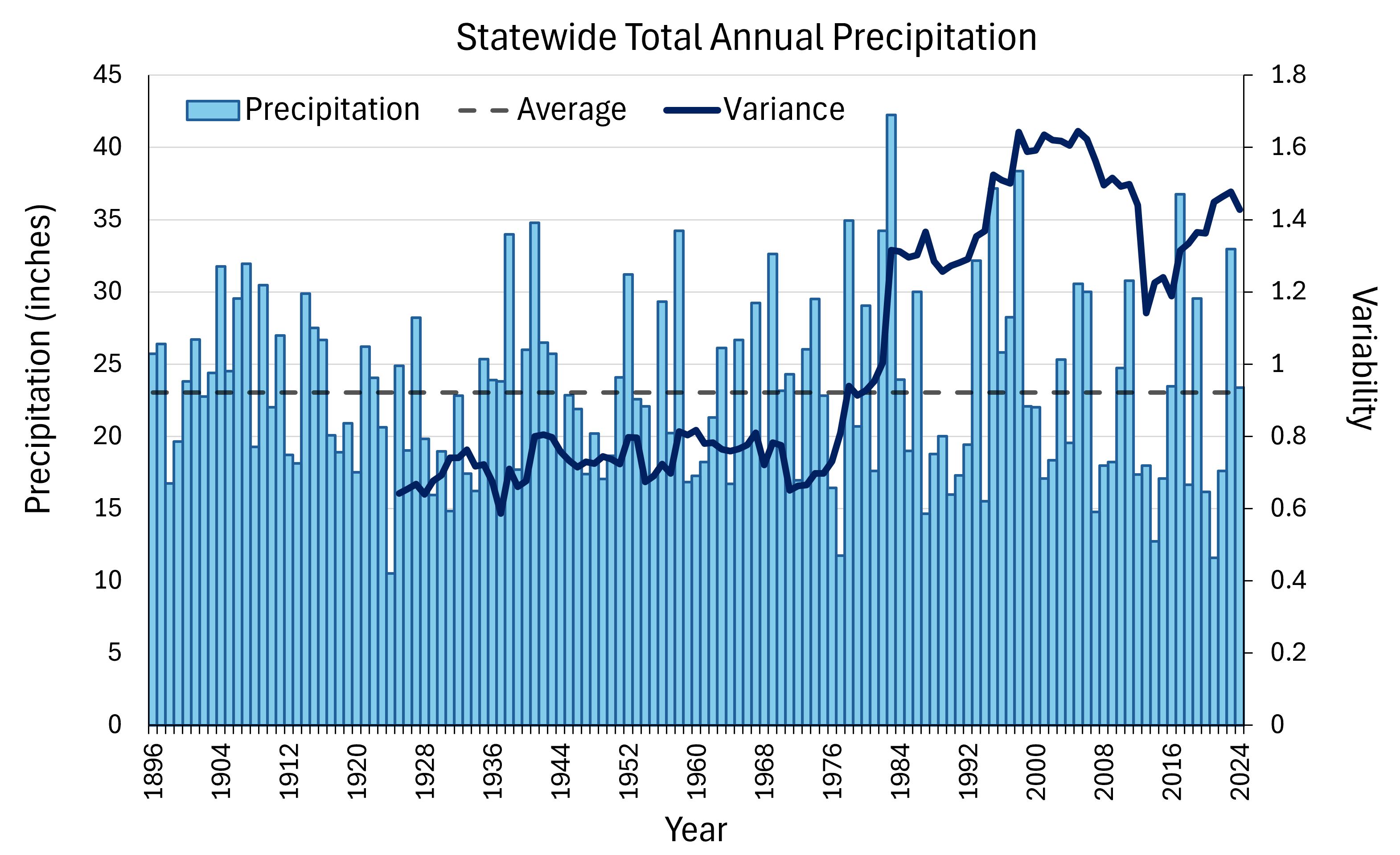
- Precipitation has become more variable. This increasing variability — often referred to as hydroclimatic "weather whiplash" — results in rapid shifts from severe drought to heavy precipitation and flooding.
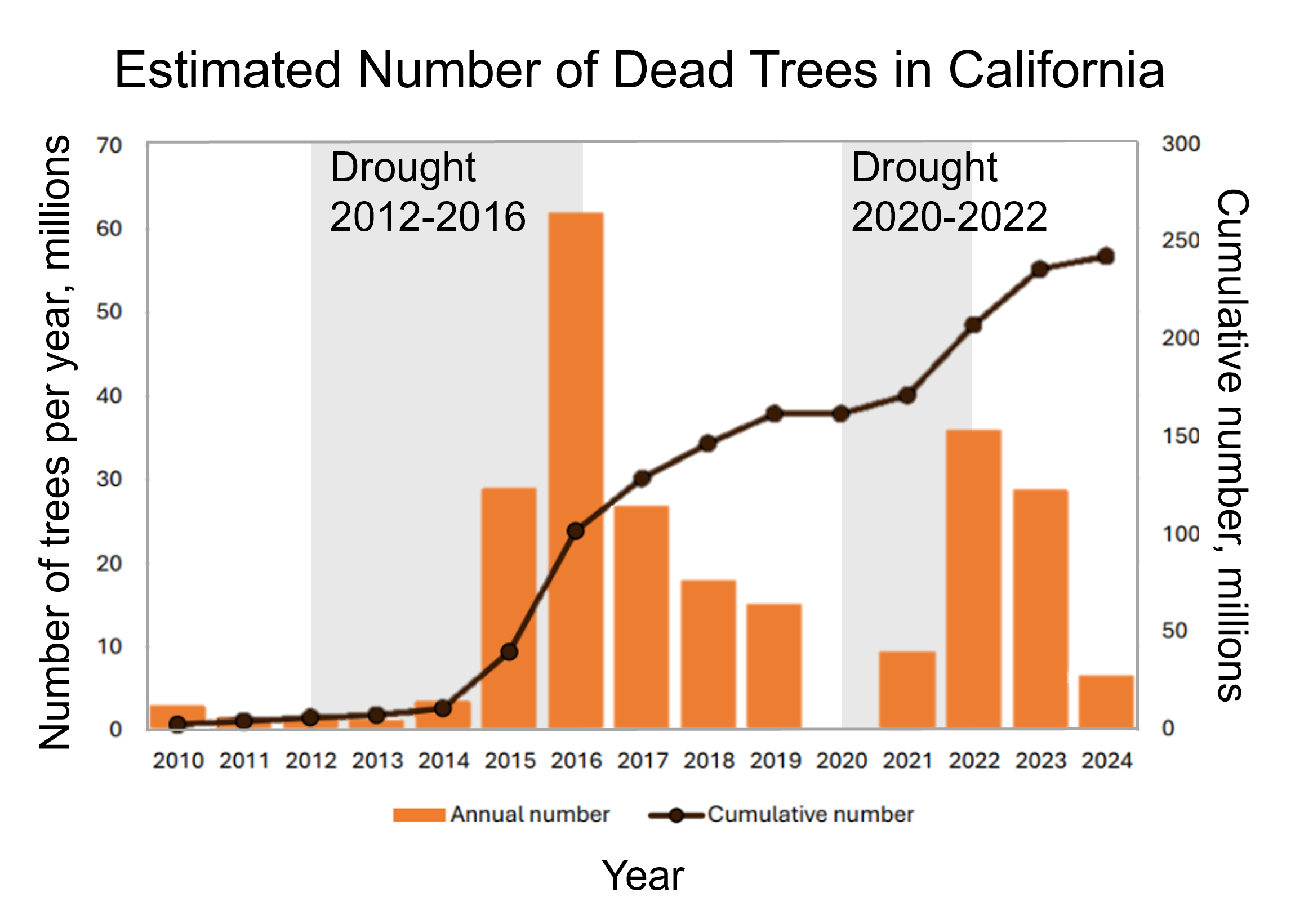
- An estimated 243 million trees died in California's forest lands between 2010 and 2024. Large tree density has declined by approximately 50% in the Sierra Nevada highlands, Coast Ranges, and Northern California.
Tribal Ecological Knowledge
This is the second edition of the report to include science from California Native American tribes, incorporating climate change knowledge and impacts on Tribal Nations, including first-hand accounts written by tribal members. Eight tribes provide accounts of their unique experiences. Their stories reflect tribal knowledge from time immemorial and observations that pre-date instrumental records.
Bringing tribal ecological knowledge together with scientific data strengthens our understanding of climate change. They offer distinct insights that provide a more wholistic picture of climate change's impacts across ecology and human health and culture.
-OEHHA Director Kris Thayer
Disproportionate Impacts
Data shows that rural and low-income communities, farm workers, and other outdoor workers face disproportionate impacts with fewer resources to adapt, prepare, and recover:
- During the 2012-2016 drought, more than 2,000 domestic wells ran dry. They were concentrated in the Central Valley and Sierra Nevada foothills in low‑income, rural, and Hispanic communities.
- Workers who are Hispanic or low-income are more likely to suffer from work-related heat illness. Hispanic workers account for 45% of related emergency department visits and low-income workers are five times as likely to visit an emergency room due to heat illness than high-income workers.
About the Report
The report follows 49 climate change indicators in California. These indicators tell a story of cascading causes and effects: how California is getting hotter and drier, and how more extreme weather is disrupting and changing the state’s physical and natural environment and people’s health. OEHHA collaborated with over 100 scientific experts and eight tribes to develop the report.
The full Indicators of Climate Change Report is complemented by a 5-page summary (Español), fact sheet (Español), and information about OEHHA’s tribal engagement.
State Action
The observations documented in this report complement updated climate projections reported in the California’s Fifth Climate Change Assessment. Together, these efforts demonstrate the state’s sustained investment in climate change science and action that cuts fossil fuel pollution and builds resilience to its impacts. Key advancements include:
- New resources that expand access to the CalHeatScore extreme heat early warning system.
- The recently updated California Extreme Heat Action Plan.
- $600 million in this year’s budget for clean transportation to advance California’s clean air and climate goals.
- California’s MyFirst EV program, launched to offer instant rebates to first-time zero-emission vehicle buyers.
- A multi-year, $1 billion investment in rebates for electric trucks.
About OEHHA
The California Office of Environmental Health Hazard Assessment (OEHHA) is the lead state agency for the assessment of health risks posed by environmental contaminants.
OEHHA’s mission is to protect and enhance the health of Californians and our state’s environment through scientific evaluations that inform, support and guide regulatory and other actions.
As CalEPA’s scientific advisor, OEHHA works within CalEPA and across state government, with other state and federal agencies, businesses, community-based organizations, and Native American tribes across California to develop actionable science that protects public health.
In addition to assessing health risks posed by chemicals, OEHHA develops data tools that support environmental health, performs outreach and education about pesticides and other chemicals, surveys exposure to harmful chemicals through Biomonitoring California, and assists in emergency response through expert consultation on matters related to chemical exposures.
More information about OEHHA can be found on the official website.