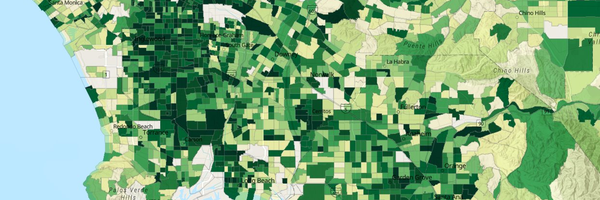
Low-Birth-Weight Infants
Sensitive Population Indicator
Measures the share of infants born at a low birth weight—an early-life vulnerability linked to maternal exposure to pollution.
What is low birth weight?
Babies who weigh less than about five and a half pounds (2,500 grams) at birth are considered low birth weight. Many factors including poor nutrition, lack of prenatal care, maternal stress, neighborhood violence, poverty, and smoking during pregnancy can increase the risk of low birth weight.
Why is it included in CalEnviroScreen?
- Mothers who are exposed to pollution from traffic, industry, or agriculture are more likely to bear low weight babies.
- Low birth weight babies may face a higher risk of developing asthma or other chronic diseases later in life. They are also more likely to die as infants than babies who are not born at low weight.
- Children born with low birth weight are at higher risk of chronic health conditions that may make them more vulnerable to the effects of pollution later in life.
- African American and Latina women are at higher risk of giving birth to a child who is low birth weight compared to White women, even among those with comparable risk factors.
How is it measured?
- The indicator is the percentage of low-birth-weight infants, averaged over a seven-year period (2018–2024).
- The California Department of Public Health collects information on where low birth weight infants are born in California.