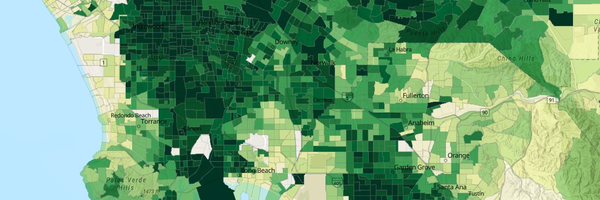
Diabetes Prevalence
Sensitive Population Indicator
Measures the prevalence of diabetes among adults—a chronic condition whose health outcomes can worsen with exposure to pollution.
What is diabetes?
Diabetes is a chronic condition in which the body cannot effectively regulate blood sugar levels, increasing the risk of serious health complications. There are two main types of diabetes: type 1 and type 2 (the most common form). People with diabetes may experience damage to their kidneys, eyes, nerves, and cardiovascular system over time. It is difficult to pinpoint exact causes of individual cases of diabetes, but research has shown that exposure to environmental pollutants, poor diet, and lack of physical activity can contribute to this condition.
In California, nearly 11% of adults have diagnosed diabetes, with almost half of all adults in California showing signs of prediabetes or undiagnosed Type II diabetes. Diabetes is especially common among Latino, African American, and Native American groups.
Why is it included in CalEnviroScreen?
- Environmental factors, such as exposure to air pollution, can worsen health outcomes for individuals with diabetes.
- Communities with higher rates of diabetes may be more vulnerable to the negative health effects of pollution, especially where access to healthcare, healthy food, and areas for physical activity is limited.
How is it measured?
- The indicator is the prevalence of diabetes in adults age 18 and older for the year 2023.
- The Centers for Disease Control and Prevention's PLACES project estimates diabetes prevalence at the census tract level using individual participant data from the Behavioral Risk Factor Surveillance System (BRFSS). The BRFSS is the largest continuous telephone-based health survey in the world.
- Validation studies have shown moderate-to-strong correlations between model-based estimates like PLACES data and direct survey estimates at the state, county, and place levels.